
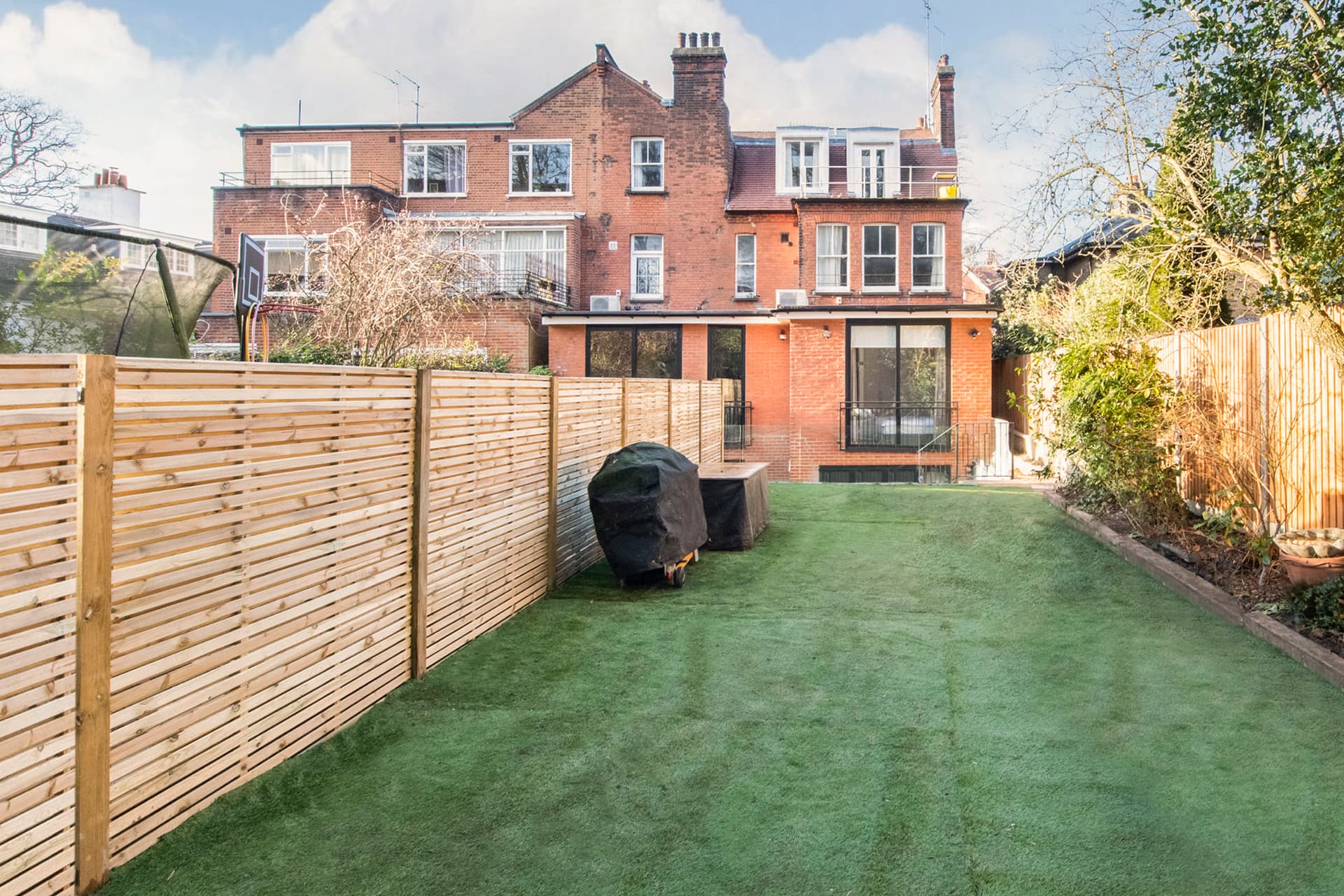
Many North London homeowners decide that staying put and extending makes more sense than moving, avoiding stamp duty, legal fees and moving costs, especially since most new homes need work anyway. Before starting anything, stay in control of your budget with these practical suggestions.
Keep the design simple
A rectangular or square footprint with a simple pitched or flat roof costs considerably less than a design full of curves and corners. Designing around off the shelf products, such as standard sized doors and windows, avoids the premium charged for bespoke joinery and glazing.
Take on some tasks yourself
Labour typically represents half to two thirds of the total cost of a home extension, so there is real scope for savings if you can take on some of the work. Easier tasks include labouring, decorating and landscaping, while more confident homeowners sometimes take on kitchen or bathroom fitting once the structural work is complete.
Understand project management fees
A main contractor will typically add fifteen to twenty five per cent onto the total cost of labour and materials to cover project management. Some homeowners choose to project manage smaller extensions themselves to save this cost, though on larger or more complex jobs it is usually money well spent for the coordination and accountability it buys.
Manage party wall costs sensibly
If you are building on or near a boundary, your extension will need to comply with the Party Wall Act. Writing to neighbours with your plans well before you start, and getting written agreement that they do not object, can avoid the cost of appointing a surveyor to arrange a formal party wall award.
Watch fees, waste and where you buy materials
- Find an architect, architectural technician or structural engineer who will quote a fixed, all-in price for design and Building Regulations drawings
- Always check references before appointing a builder, and never pay significant sums upfront
- Measure accurately on site rather than relying only on plans, since mistakes waste both labour and materials
- Reuse or resell existing materials such as floorboards, doors and radiators rather than skipping them
- Ask trade suppliers for the same wholesale prices tradespeople use rather than paying retail
- Consider timing your project outside peak season, when tradespeople may have more flexibility on price
- Get at least three like-for-like quotes so you can compare fairly
What actually drives extension costs in North London
Ground conditions, access for materials on narrow streets, and the age of the property all affect price. Victorian and Edwardian terraces often need extra care around existing foundations and shared walls, while 1930s semis usually offer more straightforward access but may still require underpinning if extending significantly. A detailed structural survey before pricing avoids nasty surprises once work is underway.
If you want a fixed-price quote that is realistic from the outset, with no vague allowances hiding extra cost later, get in touch with Hozea Construction on 07969 378509 for a free consultation.
Common questions
- What is the cheapest type of extension to build?
- A single storey rectangular extension with a simple roof and standard sized windows and doors is generally the most cost-effective option, since it avoids the labour and material premiums that come with complex shapes and bespoke fittings.
- Can I avoid using a party wall surveyor?
- If your neighbour agrees in writing that they have no objection to your plans after you serve notice, you can often avoid the cost of a formal party wall award. If they do not respond or raise concerns, a surveyor will usually be needed.
- Is it worth project managing my own extension?
- For smaller, straightforward projects it can save money, but it requires time, knowledge of sequencing and confidence dealing directly with multiple trades. For larger or structurally complex extensions, a main contractor's project management fee is usually good value.