
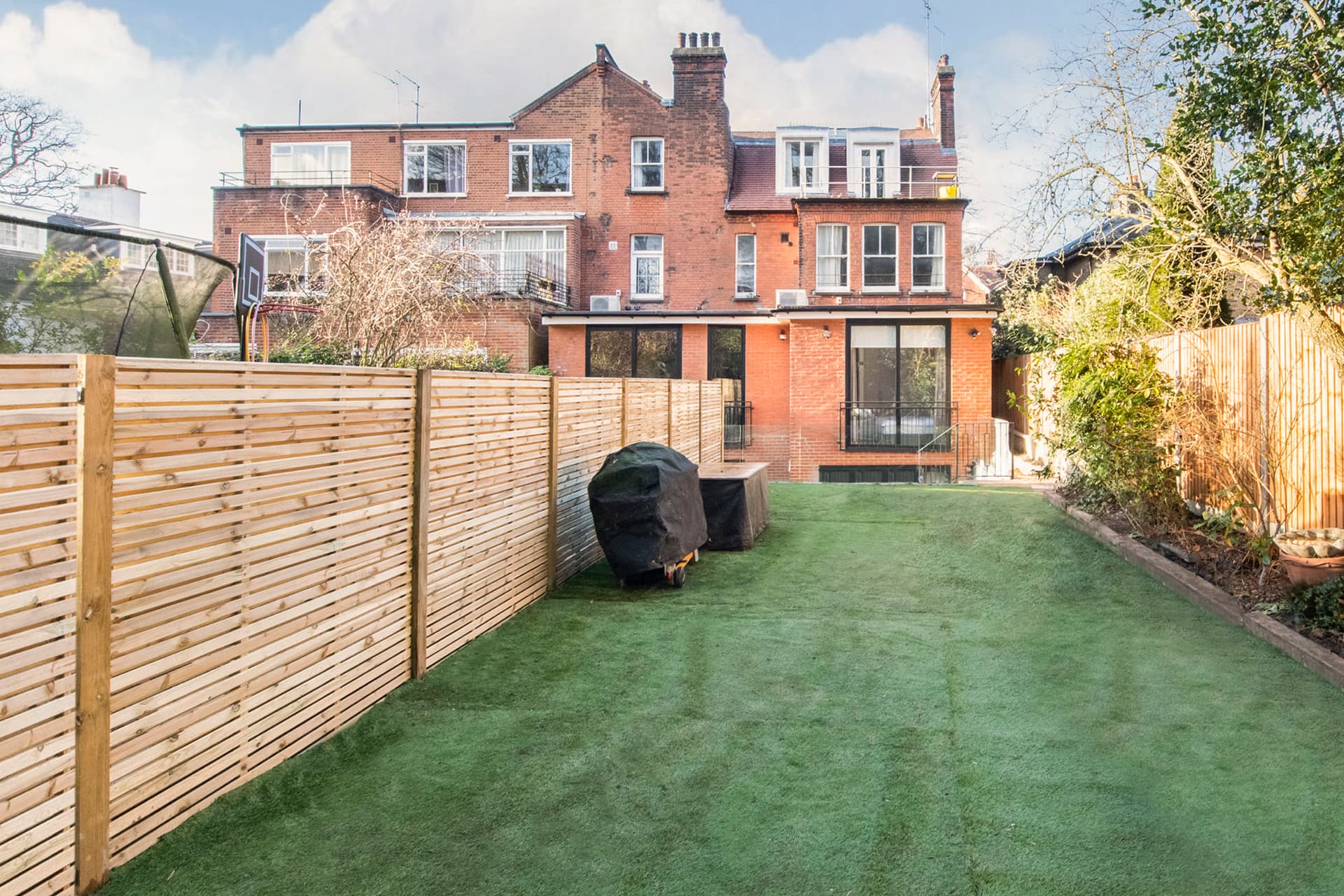
Most people start thinking about an extension in spring, when the garden comes back to life and the kitchen suddenly feels too small for summer. The problem is that by then, most of the calendar has already gone. Drawings, planning approval, structural design, party wall agreements and booking a builder all take time, so a project started in spring often is not finished until autumn. If you want to be using your new space next summer, the time to start is now.
Why autumn is the right time to start
A typical single storey rear extension in North London takes around four to six months from first drawings to the builder starting on site, and then roughly three to four months of build. Working back from next June, that puts the start of design in the autumn. Starting now means planning decisions come back over winter, the paperwork is done by early spring, and the build runs through the drier months.
Step one: measured survey and design
Everything starts with an accurate measured survey of the house and a set of design drawings. This is when you decide how big the extension should be, where the kitchen goes, how much glazing you want and how the new space connects to the garden. Take your time here: changes on paper cost almost nothing, while changes once the build has started are expensive.
Step two: planning permission or permitted development
Some rear extensions fall under permitted development and do not need a full planning application, but many North London homes are in conservation areas, where the rules are much tighter. Councils aim to decide householder applications within eight weeks, but questions from the planning officer or changes to the drawings can stretch that. If you are unsure which route applies, a lawful development certificate confirms it in writing and is well worth having when you come to sell.
Step three: structural design, building control and party walls
Once the design is agreed, a structural engineer produces the calculations for steels, foundations and any walls being removed, and the project is registered with building control. If you are building on or near the boundary with a neighbour, the Party Wall Act applies and notices must be served at least two months before work starts. Leaving this until the last minute is one of the most common causes of delay.
- September to November: measured survey, design drawings and a fixed price quote
- November to January: planning application or lawful development certificate
- January to February: structural calculations, building control and party wall notices
- March: builder starts on site
- June to July: extension finished and ready for summer
Get your quote in early
Good builders book up months ahead for spring starts. Getting a fixed price quote based on your drawings over the winter lets you plan your budget properly, compare like for like, and secure a start date before the diary fills. It also gives you time to choose kitchens, glazing and finishes without rushing, since items like bespoke doors and rooflights can have long lead times.
The clients who are happiest with their extensions are nearly always the ones who started early. They had time to get the design right, planning was sorted before spring, and we could give them a firm start date instead of squeezing them in.
If you are thinking about an extension for next year, Hozea Construction can visit, talk through what is possible for your house and give you a free, fixed price quote. Call 07969 378509 or request a quote online.
Common questions
- How long does a house extension take from start to finish in London?
- Allow around four to six months for design, planning and paperwork, then roughly three to four months on site for a typical single storey rear extension.
- Can I build an extension in winter?
- Yes. Groundworks and building the shell can go ahead in most winter weather, but many homeowners use the winter for design and approvals so the main build runs through spring.
- Do I need planning permission for a rear extension?
- Not always. Many single storey rear extensions fall under permitted development, but homes in conservation areas or with previous extensions often need a full planning application. A lawful development certificate confirms which applies.