
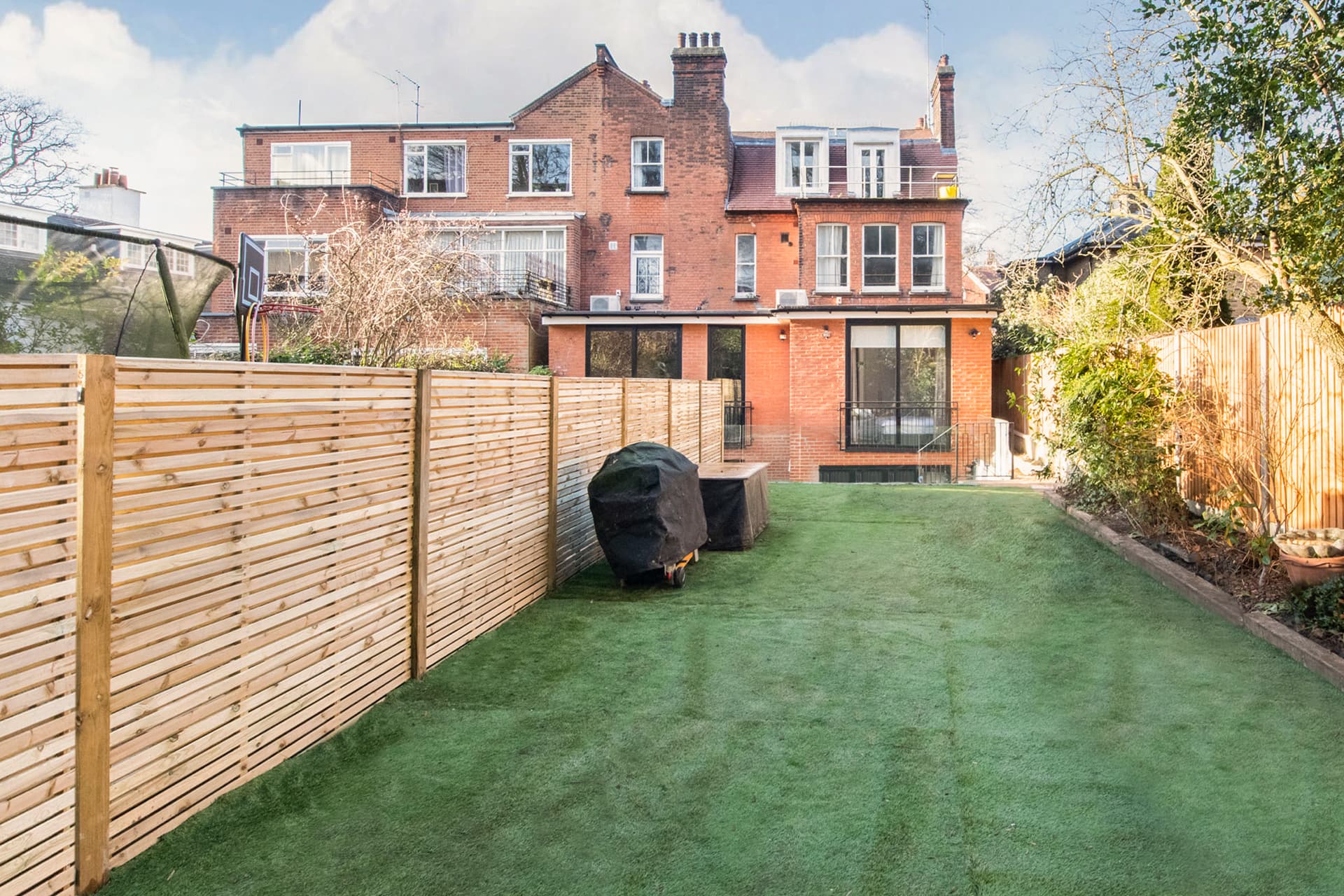
External building work is far easier to plan and execute well during the drier, warmer months, and this is the time of year we see the most enquiries for roofing repairs, rendering, brickwork repointing, driveways and landscaping. Materials cure and dry properly, scaffolding is safer to work from, and there is less risk of work being delayed by rain stopping trades getting on with the job. If you have been putting off exterior works, this is a practical guide to the main jobs worth considering and what to check before booking any of them in.
Roofing repairs and maintenance
Roofs take a battering over winter, and summer is the right time to get any storm damage, slipped tiles, or deteriorated flashing sorted before the next wet season arrives. It is also a good time for a proper inspection, checking the condition of the roof covering, the state of the guttering and fascias, and whether valleys and chimney flashings are still weathertight. Re-roofing works, whether replacing a pitched roof covering or a flat roof system, need consistent dry weather to install correctly, so booking this in for summer avoids the delays and quality risks of trying to do it in wetter months.
Rendering and brickwork repointing
Render needs a reasonable run of dry, mild weather to cure properly, since applying it in cold or wet conditions can lead to cracking and poor adhesion later on. Summer is therefore the sensible window for re-rendering a facade or repairing damaged sections. The same applies to repointing, removing failed or eroded mortar joints in brickwork and replacing them with new mortar matched to the original in colour and profile. Repointing is not just cosmetic, failed pointing lets water into the wall structure and can contribute to damp problems internally, so it is worth addressing before it gets worse.
Driveways and hard landscaping
Driveway and patio work, whether block paving, resin bound surfacing, or a full resurface, relies on dry ground conditions for proper excavation, sub-base compaction and jointing. Doing this work in summer reduces the risk of the sub-base being compromised by waterlogged ground, which is one of the most common causes of driveways failing early with cracking or sinking. It is also a good time to tackle drainage improvements around the property, since dry ground makes it much easier to identify where surface water is pooling and to correct falls and soakaways properly.
- Book roof inspections and repairs in before autumn to catch storm damage early
- Allow rendering and repointing work a settled dry spell to cure properly
- Check driveway sub-base and drainage before resurfacing, not just the visible surface
- Use the drier months for scaffolding-based work, which is safer and quicker in good weather
- Consider landscaping and garden structures now if you want to use the space this summer
- Get quotes early, as summer is the busiest season for external trades
Landscaping and garden works
Beyond hard landscaping, summer is also the practical time for garden structures, boundary walls, fencing, and any groundworks tied to a wider extension or renovation project, since dry conditions make excavation and concrete work far more straightforward. If your garden work ties into other building projects such as an extension or basement conversion, it is worth coordinating the sequence with your main contractor so access, drainage and levels are all planned together rather than as an afterthought.
Most of the external work that fails early, cracked render, driveways that sink, pointing that washes out within a couple of years, comes down to being carried out in the wrong conditions or on a poorly prepared substrate. Good weather does not fix bad preparation, but it does make good preparation much easier to achieve.
If you have roofing, rendering, brickwork or driveway work you have been putting off, get in touch with Hozea Construction on 07969 378509 for a fixed-price quote while the summer season allows the work to be done properly.
Common questions
- Why is summer the best time for rendering and repointing?
- Render and mortar need a settled period of dry, mild weather to cure properly. Applying them in cold or wet conditions increases the risk of cracking and poor adhesion, so summer gives the most reliable results.
- Can driveway work be done in winter?
- It can, but wet ground makes proper sub-base compaction harder to achieve, which increases the risk of the driveway cracking or sinking later. Summer conditions generally give a more durable result.
- How often should a roof be inspected?
- An annual inspection is sensible, ideally after winter, to catch storm damage, slipped tiles or deteriorated flashing before it leads to leaks or further damage.