
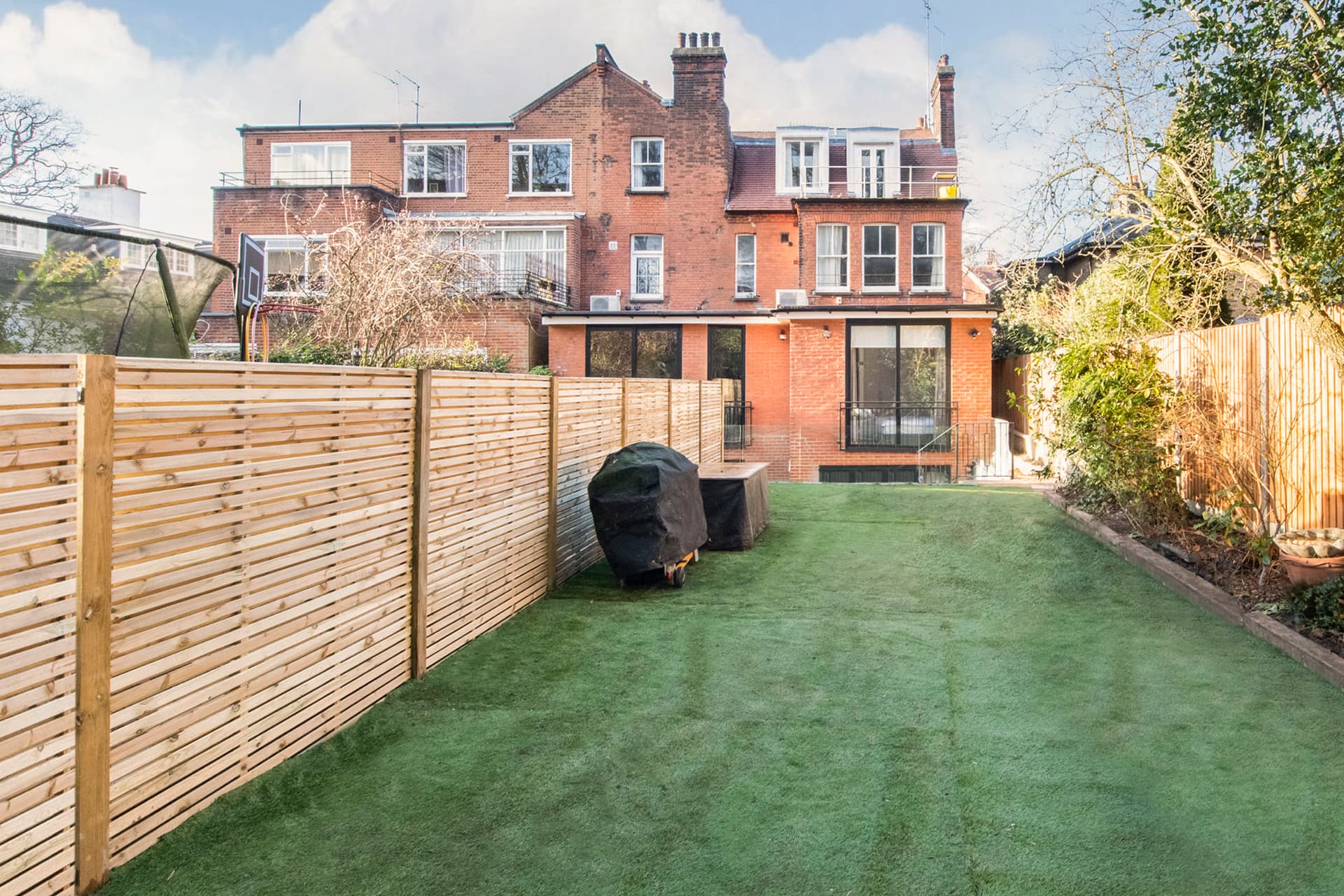
Most homeowners assume that anything beyond a modest rear extension needs full planning permission, but there is a route, generally referred to as the larger home extension scheme, that allows some single-storey rear extensions to go ahead without a standard planning application, subject to a prior approval process with the local authority. It is a useful option in North London where side returns and gardens are often tight and every extra metre matters, but it is more involved than standard permitted development and it does not apply to every property.
How the prior approval route works
Rather than submitting a full planning application, you notify the council of your proposal under the neighbour consultation scheme. The council writes to adjoining neighbours, who have a set period to raise objections. If no objections are received, the extension is typically allowed to proceed without further planning process. If objections are raised, the council will assess the impact on neighbouring amenity, particularly loss of light and sense of enclosure, and can refuse the scheme even where it would otherwise fall within permitted development limits. This is different from a normal planning application, where the council assesses the whole scheme against local policy from the outset.
What still counts as permitted development
The larger extension route only applies to single-storey rear extensions. There are limits on how far the extension can project from the original rear wall, and these limits differ depending on whether the property is detached, semi-detached or terraced. There are also restrictions on height, on building on designated land such as conservation areas, and on materials, which generally need to be similar in appearance to the existing house. Because these limits are updated and interpreted differently between boroughs, never rely on a headline figure without checking your specific property and local authority policy.
- Confirm your property has not already used up its permitted development rights with a previous extension
- Check whether an Article 4 direction removes permitted development rights in your area
- Establish the correct 'original rear wall' position, which is not always obvious on an extended house
- Get written confirmation from the council of the outcome, even if no objections were raised
- Factor in building regulations approval, which is required regardless of the planning route
- Consider a Lawful Development Certificate for extra certainty if a lender or buyer may query the works later
Where this route tends to fail
The larger extension scheme is most likely to run into trouble on terraced and semi-detached streets in boroughs like Barnet, Haringey, Camden and Islington, where gardens are narrow and neighbours are close. A scheme that significantly reduces light to a neighbour's garden or windows is a common ground for objection, and once an objection is raised the council has real discretion to refuse. Properties in conservation areas or with Article 4 directions removing permitted development rights cannot use this route at all, and a normal planning application will be needed instead.
Getting the design right regardless of route
Whether you go through prior approval or full planning, the design principles are the same. Think about how the extension affects light to neighbouring properties and to your own rear rooms, how it ties into existing drainage and structural openings, and how it will look from the garden and from neighbouring windows. A well-designed single-storey extension with generous glazing and a considered roof profile is far less likely to attract objections than one that simply maximises floor area without regard to its surroundings.
If you are considering a larger rear extension and want a clear view of which planning route applies to your property, get in touch with Hozea Construction for a free fixed-price quote. Call 07969 378509 and we will talk you through the options for your specific house.
Common questions
- Is the larger extension scheme guaranteed to avoid planning permission?
- No. It replaces a full planning application with a neighbour consultation process, but the council can still refuse the scheme if a neighbour objects and the impact on their amenity is judged unacceptable. It also only applies to single-storey rear extensions within set limits, so always check your specific circumstances first.
- Does my property qualify for this route?
- It depends on your property type, whether you have already extended under permitted development before, and whether the house is in a conservation area or subject to an Article 4 direction. A quick check with your local planning department or a planning consultant will confirm whether you qualify.
- Do I still need building regulations approval?
- Yes, always. Planning permission and building regulations are separate systems. Even an extension that needs no planning application at all must still comply with building regulations covering structure, insulation, fire safety and drainage.