
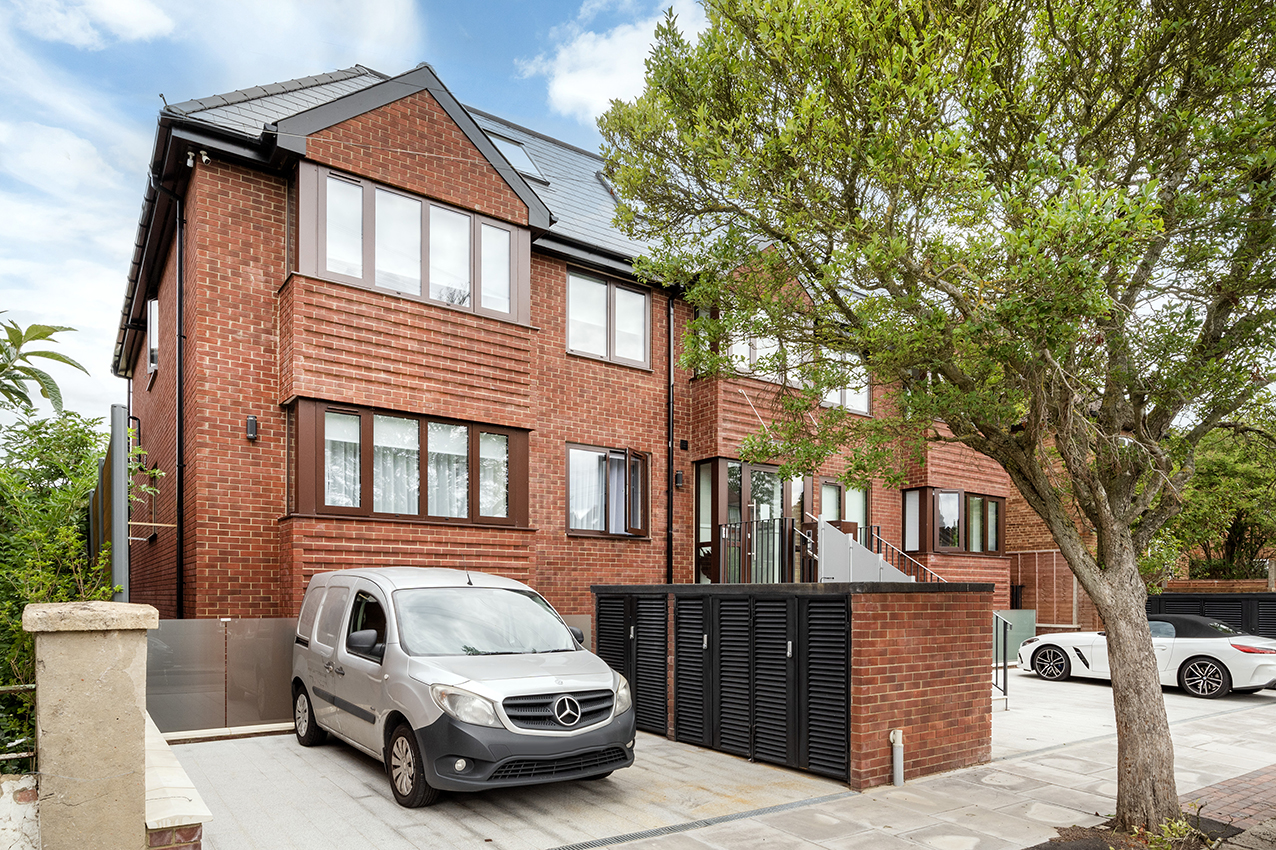
Late November is when the heating goes on properly, the rain settles in and windows start running with condensation in the mornings. It is also when small problems with a roof, gutters or walls start to show. Catching them now costs far less than dealing with a ceiling stain, rotten timber or mould in February, when roofers are busy with storm callouts.
Five checks you can do from the ground
- Look along the roof for slipped, cracked or missing tiles and slates, ideally with binoculars
- Check the gutters after heavy rain: water spilling over the edge usually means a blockage
- Look at the chimney for leaning pots, cracked render or missing flashing where it meets the roof
- Walk the outside walls for green staining or damp patches below gutters and downpipes
- On a flat roof or extension, look for standing water, bubbles or splits in the covering
Inside the house
If you have a loft, go up on a dry day with a torch and look at the underside of the roof and the timbers. Daylight showing through, dark stains on the wood or damp insulation are all signs water is getting in. On the floors below, brown marks on ceilings, bubbling paint near the top of walls and a musty smell in one room are worth investigating before they spread.
Is it damp or condensation?
Many winter damp problems in North London homes are condensation rather than leaks. Condensation tends to appear on cold surfaces such as windows, external walls and corners behind furniture, and gets worse in kitchens, bathrooms and bedrooms. Better ventilation, using extractor fans and keeping the heating at a steady low level usually helps. Damp that appears after rain, sits in one patch or comes with a tide mark is more likely to be a leak, failed pointing or a blocked gutter, and needs fixing at the source.
A blocked gutter costs very little to clear. The damp wall it causes can cost many times more to put right.
What you can do yourself, and what you should not
Clearing ground floor gutters from a stable ladder, bleeding radiators and improving ventilation are reasonable jobs for most homeowners. Anything on the roof itself, chimney work or gutters above the first floor should be left to a professional with the right access equipment. Working at height on wet, cold surfaces is one of the most common causes of serious injury at home.
Book repairs before the busy period
Roofers across London get very busy after the first big winter storm, and waiting times can stretch to weeks. If you have spotted something now, getting it looked at in the next few weeks means it can be fixed on a dry day rather than patched in an emergency.
Hozea Construction carries out roof repairs, chimney work, guttering and damp repairs across North and West London. Call 07969 378509 or request a free quote and we will tell you plainly what needs doing and what can wait.
Common questions
- How often should my roof be checked?
- Once a year is sensible for most homes, ideally in autumn before the worst weather, and again after any major storm.
- How can I tell if damp is condensation or a leak?
- Condensation usually appears on cold surfaces such as windows and external wall corners and gets worse in cold weather. Damp that appears after rain or sits in one patch is more likely to be a leak, failed pointing or a blocked gutter.
- Can roof repairs be done in winter?
- Yes. Most repairs, such as replacing slipped tiles, flashing or guttering, can be done on dry days through the winter. Some flat roof coverings need dry, milder conditions to be laid properly.
- Do I need permission to repair my roof?
- Like for like repairs do not normally need planning permission. If your home is listed or in a conservation area, check with your council before changing materials.