
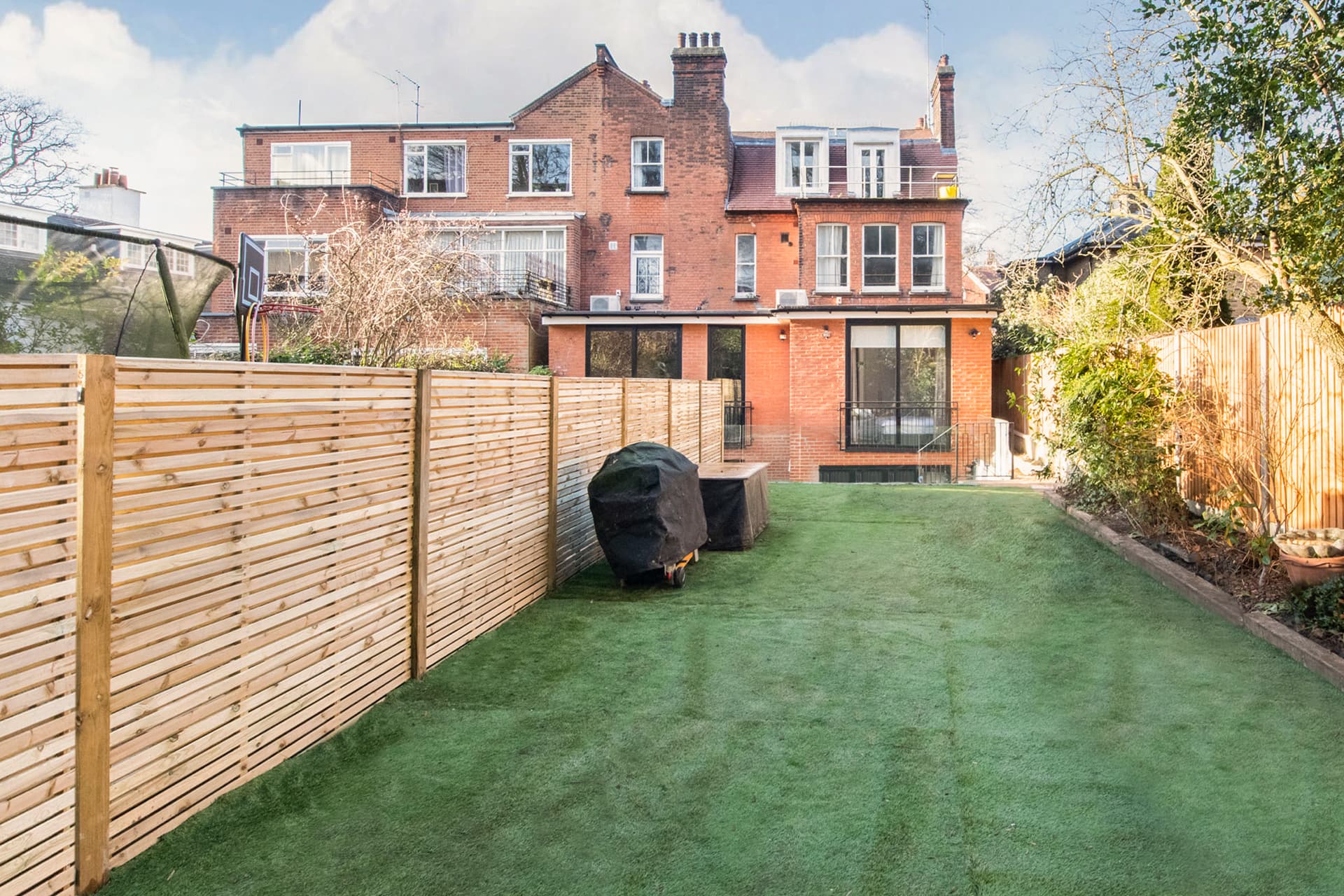
North London is full of period housing stock, from Victorian and Edwardian terraces in Islington and Haringey to 1930s semis further out in Barnet. Older properties are popular for good reason, but they come with practical considerations that new build buyers rarely face. Understanding both sides before you buy, or before you start a renovation, helps you budget properly and avoid surprises.
The advantages
Older properties generally offer more generous proportions than modern equivalents. Higher ceilings, larger room sizes and deeper plots are common in Victorian terraces, giving more scope for extensions, loft conversions and reconfiguration. Original features such as fireplaces, cornicing, sash windows and parquet flooring add character that is difficult and expensive to replicate in a new build, and they tend to hold buyer appeal in the resale market.
Location is often a major factor too. Much of the best-established housing stock in North London sits on mature, tree-lined streets close to transport links and schools, in areas that would be difficult to build on today. Solid brick construction, when properly maintained, is also extremely durable and can outlast many modern building methods.
The disadvantages
The obvious trade-off is maintenance. Older properties were built to lower thermal standards, so solid walls, single glazing and older roof coverings mean higher heating bills unless upgraded. Roofs, guttering, pointing and damp proofing all have a limited lifespan and periodically need attention, and previous owners' shortcuts or deferred maintenance often only become apparent once work starts.
Layouts in Victorian and Edwardian terraces were designed around Victorian living patterns, meaning small, separate rooms, narrow hallways and kitchens tacked onto the rear. Bringing these into line with modern open-plan living usually means structural work such as removing chimney breasts or opening up rear additions, which needs proper structural calculations and building control approval.
Conservation areas and listed buildings
A significant proportion of North London's older housing sits within conservation areas, and some individual buildings are listed. This affects what you can change externally, from window replacement to rear extensions and roof alterations. It is worth checking your council's conservation area guidance before buying if you have specific renovation plans, since the scope for permitted development is more restricted than for a standard property.
What to check before buying or renovating
- Condition of the roof, chimneys and pointing, since these are expensive to put right
- Signs of damp, particularly rising damp in solid brick walls and penetrating damp around bay windows
- Whether the property is in a conservation area or listed, which affects future alteration rights
- Condition and age of the electrics and plumbing, which are often original or long overdue an upgrade
- Evidence of subsidence or movement, especially in properties with clay soil, common across parts of North London
- Whether previous extensions or loft conversions had building control sign-off
Getting the balance right
The right approach is usually a phased one: deal with anything urgent to the building envelope first (roof, damp, structure), then move on to insulation and services upgrades, and finally to layout changes and cosmetic work. Trying to do everything at once on a tight budget often leads to compromises that cost more to fix later.
If you are weighing up a renovation on a period property in North London, Hozea Construction can carry out a practical assessment and give you a fixed-price quote for the work involved. Call 07969 378509 to arrange a visit.
Common questions
- Are older properties more expensive to maintain than new builds?
- Generally yes, since materials such as slate roofs, timber sash windows and solid brick walls need more regular upkeep than modern equivalents. Budgeting an annual maintenance allowance is sensible for any period property.
- Can I extend or convert the loft of a period property?
- In most cases yes, though the rules depend on whether the property is in a conservation area, listed, or has already used up its permitted development allowance. A pre-application check with your local council is worthwhile before committing to design work.
- Is it cheaper to renovate an older house or buy new?
- It depends on the condition and scope of work, but period properties often offer better value for larger living space and location, provided you budget properly for structural, damp and insulation work as part of the purchase.